Scientific Principles of Core Biomechanics & Spinal Mobility
The M. ART Institute provides open-access anatomical research, functional posture assessment tools, and structured ergonomic stretching protocols designed to counteract chronic sedentary load and enhance musculoskeletal resilience.

Core Biomechanics & Structural Health Domains
Our informational curriculum addresses the interconnected kinetic chain, focusing on spinal decompression, pelvic stabilization, and fascial elasticity.
Lumbopelvic Stabilization
Detailed analysis of the transverse abdominis, multifidus, and pelvic diaphragm acting as an integrated cylinder to protect the lumbar vertebrae during dynamic loading and static sitting.
Thoracic & Scapular Kinematics
Restoring rotational and extension capacity in the thoracic spine to relieve compensatory cervical hyper-extension and shoulder impingement patterns common in screen-bound professionals.
Hip Flexor & Posterior Chain Elasticity
Addressing adaptive psoas shortening and hamstring stiffness through reciprocal inhibition and sustained neuromuscular re-education stretches.
Functional Mobility & Postural Load Calculator
Evaluate your postural biomechanics profile across 4 fundamental parameters to receive an instant educational synthesis and targeted mobility recommendations.
Evidence-Based Posture & Mobility Modules
Explore curated sequence modules categorized by functional target. Use our built-in countdown companion to guide your holds.
 5 Mins • 6 Holds
Cat-Cow Wave & Disc Nutrition
Rhythmic flexion and extension designed to promote hydrostatic disc nutrition and mobilize facet joints along the axial skeleton.
 8 Mins • 4 Holds
Anjaneyasana Psoas Lengthening
Deep anterior hip capsule stretch that reduces anterior pelvic tilt and unloads lumbar lordotic compression.
 6 Mins • 3 Holds
Sphinx Pose Thoracic Fulcrum
Gentle passive thoracic extension that restores sagittal curvature and counters habitual kyphotic slumping.
 4 Mins • 2 Holds
Supported Balasana Lat Decompression
Lateral fascial release extending through the latissimus dorsi to eliminate tension between the lumbar spine and shoulders.
 7 Mins • 5 Holds
Adho Mukha Svanasana Kinetic Line
Full posterior myofascial release synchronizing gastrocnemius, hamstring, and erector spinae elongation.
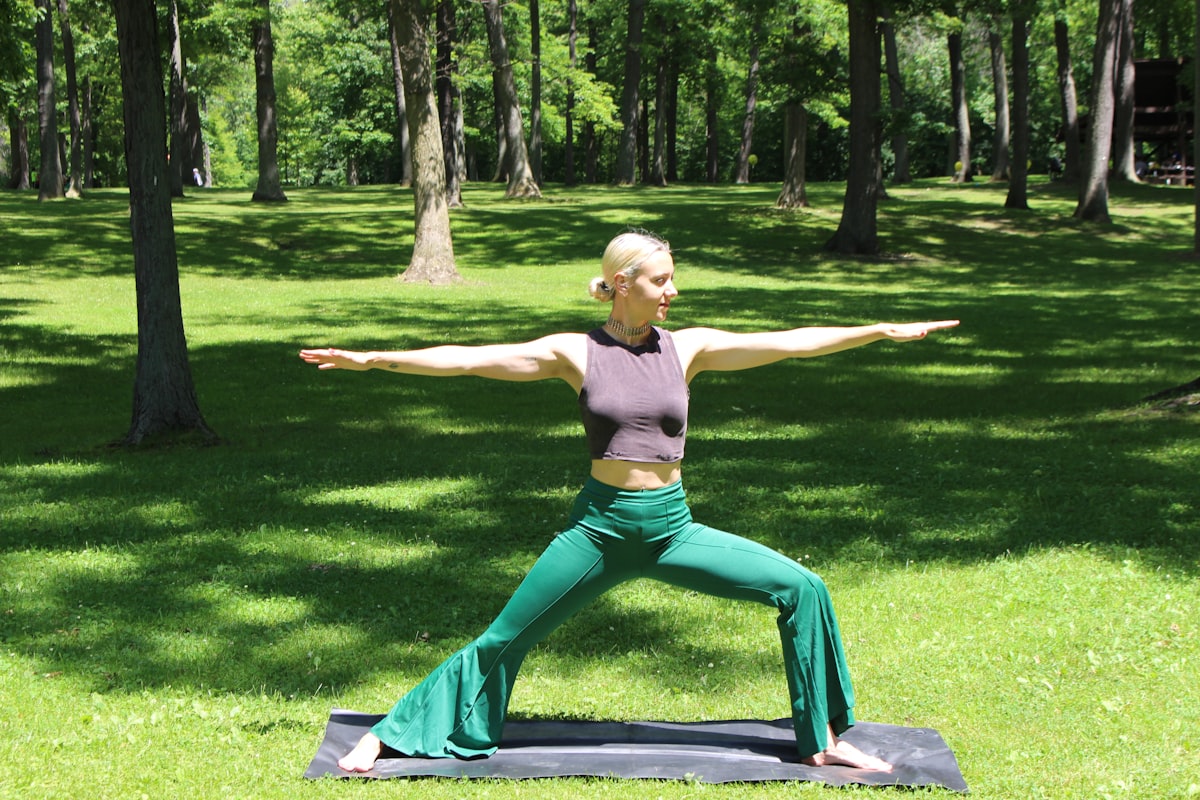 6 Mins • 4 Holds
Setu Bandhasana Glute Reset
Reciprocal inhibition exercise activating gluteal complexes while gently stretching hip flexors and expanding chest.
Latest Research & Clinical Monographs
Explore peer-reviewed articles curated by the M. ART academic editorial board on ergonomics, kinetic chains, and connective tissue health.

Hydrostatic Disc Nutrition During Cyclic Axial Decompression
An examination of fluid exchange dynamics within the nucleus pulposus during alternating spinal flexion-extension protocols.
Read Full Monograph →
The Upper Crossed Syndrome: Biomechanical Compensation in Desk Workers
Comprehensive overview of muscular imbalances characterized by deep cervical flexor inhibition and pectoral hypertonicity.
Read Full Monograph →
Fascial Viscoelasticity: Why 30-Second Sustained Holds Matter
Investigating creep phenomenon in human connective tissue and the biological threshold for permanent structural remodeling.
Read Full Monograph →Frequently Addressed Inquiries
Scientific clarification regarding stretching intensity, breath synchronization, and injury prevention principles.
Extensive kinetic research demonstrates that the Golgi tendon organ reflex requires approximately 15 to 30 seconds of gentle sustained tension to initiate autogenic inhibition. Holds under 15 seconds trigger protective myotatic stretch reflexes, whereas holds between 30 and 60 seconds yield maximum neuromuscular elongation without inducing transient tendon laxity.
Slow, controlled exhalations stimulate parasympathetic vagal tone, reducing muscular hyper-reactivity. Concurrently, diaphragmatic descent stabilizes the intra-abdominal pressure cylinder, providing hydraulic support against spinal disc shear forces during deep hip flexion and spinal rotations.
While congenital bony morphology remains fixed, the majority of modern postural complaints stem from functional soft-tissue adaptations (adaptive shortening and reciprocal weakness). Systematic daily protocols combined with ergonomic modifications restore optimal muscular resting lengths over a 6-to-12-week timeframe.
No. All materials, sequences, and monographs published by M. ART Institute are intended strictly for educational and informational purposes. Individuals presenting acute pain, disc herniations, or systemic rheumatological conditions must consult a licensed healthcare practitioner.
Have Questions for Our Research Editorial Board?
The M. ART Institute welcomes inquiries from researchers, ergonomic practitioners, and educational organizations worldwide.